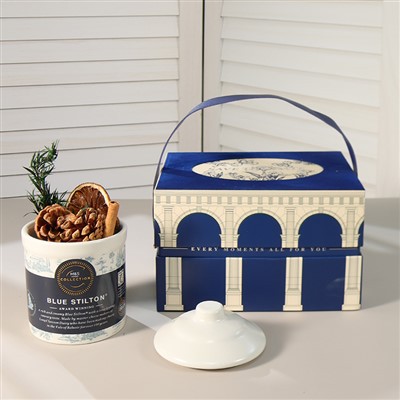
The origin of hard cardboard candle boxes and incense boxes is a fascinating journey that intertwines with the evolution of human civilization, craftsmanship, and the changing needs of various industries. As a supplier of these specialized cardboard boxes, I've delved into their history to better understand their significance and to offer products that not only meet but exceed the expectations of our customers.


Ancient Origins
The use of containers to hold candles and incense dates back thousands of years. In ancient civilizations, such as those in Egypt, China, and Greece, candles and incense were integral to religious ceremonies, daily life, and even medicinal practices. The earliest forms of "boxes" were likely made from natural materials like wood, clay, or woven reeds. These containers were primarily functional, protecting the precious candles and incense from damage and the elements.
In ancient Egypt, for example, clay jars were used to store scented wax candles. These jars were often decorated with intricate hieroglyphics and symbols, reflecting the religious and cultural significance of the candles they held. Similarly, in ancient China, wooden boxes were crafted to house incense sticks, which were used in religious rituals, meditation, and to purify the air in homes and temples.
The Emergence of Cardboard
The development of cardboard as a material for packaging can be traced back to the 19th century. In 1817, Sir Malcolm Thornhill patented a process for making corrugated paper, which was initially used as liners for tall hats. It wasn't until 1856 that the first corrugated cardboard box was invented in England by Edward Allen and Edward Healey. This marked a significant milestone in the history of packaging, as cardboard offered a lightweight, durable, and cost - effective alternative to traditional materials.
The use of cardboard for candle and incense boxes began to gain traction in the late 19th and early 20th centuries. As the production of candles and incense became more industrialized, there was a growing need for standardized packaging that could protect the products during transportation and storage. Cardboard boxes were ideal for this purpose, as they could be easily mass - produced and customized to fit different shapes and sizes of candles and incense.
Advancements in Design and Production
Over the years, the design and production of hard cardboard candle boxes and incense boxes have evolved significantly. With the advent of new printing technologies, these boxes can now be adorned with elaborate designs, colors, and finishes. For example, gold stamping is a popular technique that adds a touch of luxury and elegance to the boxes. Our Gold Stamping Of Luxury Cardboard Perfume Gift Box showcases the beauty and sophistication that can be achieved through this method.
Another advancement is the use of foil stamping. This technique allows for the creation of eye - catching designs that stand out on the shelf. Our Foil Stamping Red Perfume Packaging Box demonstrates how foil stamping can enhance the visual appeal of a cardboard box.
In addition to decorative elements, the functionality of cardboard boxes has also improved. Many modern candle and incense boxes are designed with features such as easy - open lids, inserts to hold the products securely, and protective barriers to prevent damage. For example, trapezoidal and irregularly shaped boxes, like our Trapezoidal Irregular Grey Perfume Gift Box, not only provide a unique look but also offer practical benefits in terms of storage and display.
Environmental Considerations
In recent years, there has been a growing emphasis on environmental sustainability in the packaging industry. As a responsible supplier, we understand the importance of using eco - friendly materials and production methods. Cardboard is an excellent choice for sustainable packaging, as it is made from renewable resources (wood pulp) and is recyclable.
Many of our cardboard candle boxes and incense boxes are made from recycled materials, and we are constantly exploring ways to reduce our environmental impact. For example, we are looking into using water - based inks and adhesives, which are less harmful to the environment compared to traditional solvents.
The Role of a Supplier
As a supplier of hard cardboard candle boxes and incense boxes, we play a crucial role in the supply chain. We work closely with our customers to understand their specific needs and requirements. Whether they are a small artisanal candle maker or a large - scale incense manufacturer, we can provide customized solutions that meet their budget and brand image.
Our team of experts is skilled in design, production, and quality control. We ensure that every box we produce meets the highest standards of quality and durability. We also offer a wide range of customization options, including different sizes, shapes, colors, and finishes, so that our customers can create a packaging solution that is truly unique.
Conclusion
The origin of hard cardboard candle boxes and incense boxes is a rich and complex story that spans centuries. From their humble beginnings as simple containers made from natural materials to the sophisticated and stylish boxes we produce today, these packaging solutions have come a long way. As a supplier, we are proud to be part of this history and are committed to continuing to innovate and provide the best possible products for our customers.
If you are in the market for high - quality hard cardboard candle boxes or incense boxes, we invite you to contact us for a purchasing discussion. We look forward to the opportunity to work with you and help you find the perfect packaging solution for your products.
References
- "A History of Packaging" by John H. Robinson
- "The Development of Corrugated Cardboard" by Robert S. Thompson
- "Sustainable Packaging: Trends and Innovations" by Jane Doe